Skip to navigation
Skip to main content
Search
0
items
Nos Catégories
Appareil photo
Caméscope Video
Caméra embarquée / ActionCam
caméra Studio
Drones et Accessoires drones
Optiques photo
Optiques vidéo / cine – Prise de vue aérienne – Caméra action
Réalité virtuelle 360°
Accueil
Qui sommes-nous
Contact
Faq
Search
Objectif photo monture 4/3 + MFT
Accueil
Optiques photo
Objectif photo monture 4/3 + MFT
Affichage de 1–20 sur 22 résultats
Trié du plus récent au plus ancien
Filters
Show
9
12
18
24
Tri par popularité
Tri par notes moyennes
Tri du plus récent au plus ancien
Tri par tarif croissant
Tri par tarif décroissant
-17%
Aperçu rapide
Ajouter au panier
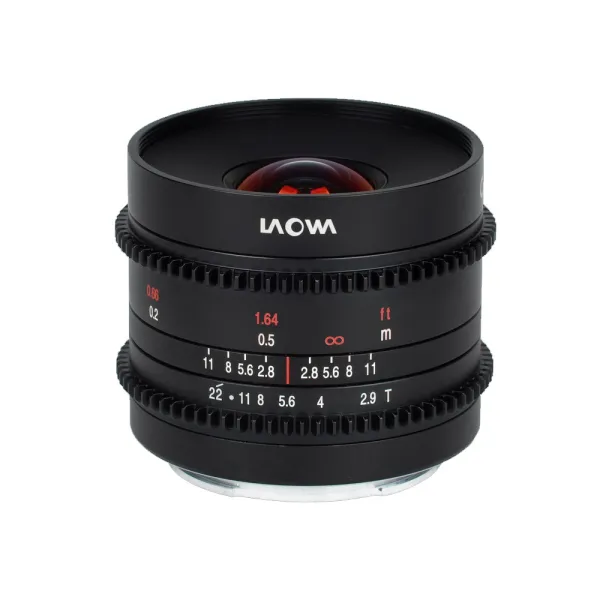
Laowa 9mm T2.9 Zero-D Cine Objectif cinéma focale fixe 9mm T2.9 (Super 35 I Micro 4/3 | MF)
Optiques photo
,
Objectif photo monture 4/3 + MFT
729,00
€
Le prix initial était : 729,00€.
608,00
€
Le prix actuel est : 608,00€.
-20%
Aperçu rapide
Ajouter au panier
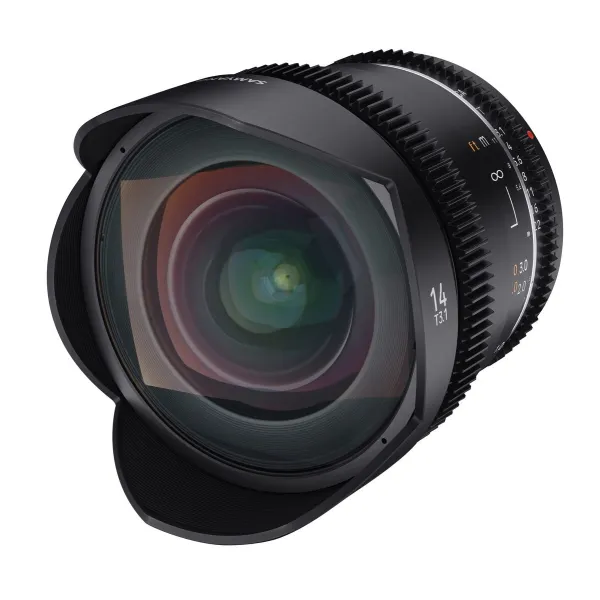
Samyang 14mm T3.1 VDSLR MK2 Objectif photo / vidéo focale fixe 14mm T3.1 (Full Frame | MF)
Optiques photo
,
Objectif photo monture 4/3 + MFT
499,00
€
Le prix initial était : 499,00€.
400,88
€
Le prix actuel est : 400,88€.
-19%
Aperçu rapide
Ajouter au panier
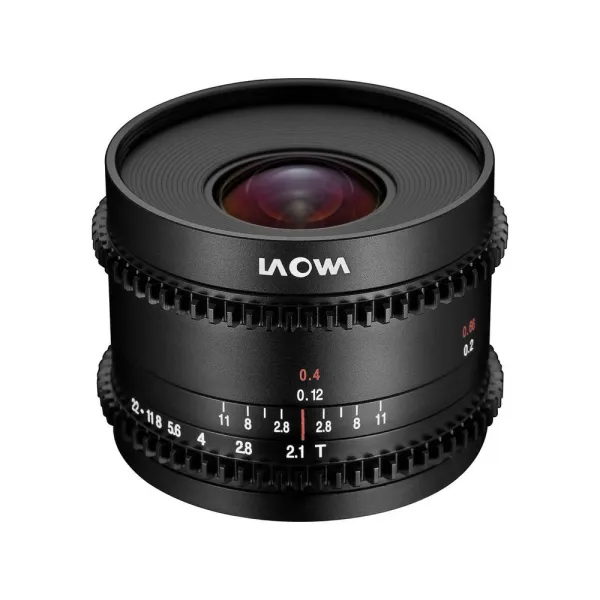
Laowa 7.5mm T2.1 MFT Cine Objectif cinéma focale fixe 7.5mm T2.1 (MFT | MF)
Optiques photo
,
Objectif photo monture 4/3 + MFT
729,00
€
Le prix initial était : 729,00€.
588,50
€
Le prix actuel est : 588,50€.
-22%
Aperçu rapide
Ajouter au panier
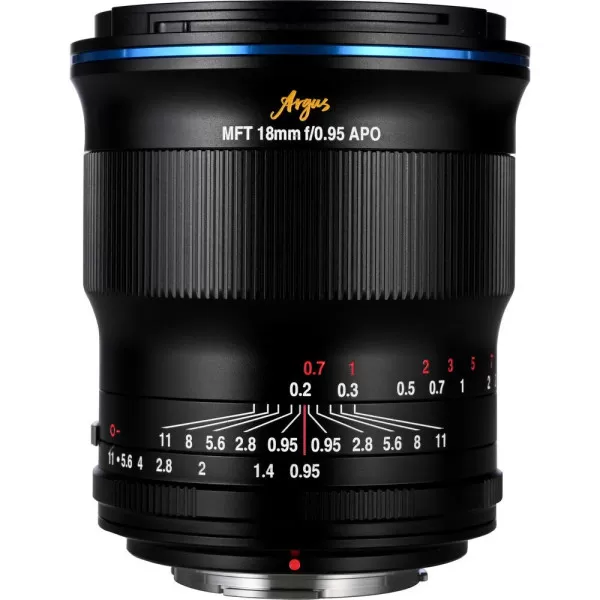
Laowa Argus 18mm f0.95 MFT APO Objectif photo / vidéo focale fixe 18mm F/0.95 (Micro 4/3 | MF)
Optiques photo
,
Objectif photo monture 4/3 + MFT
599,00
€
Le prix initial était : 599,00€.
466,50
€
Le prix actuel est : 466,50€.
-22%
Aperçu rapide
Ajouter au panier
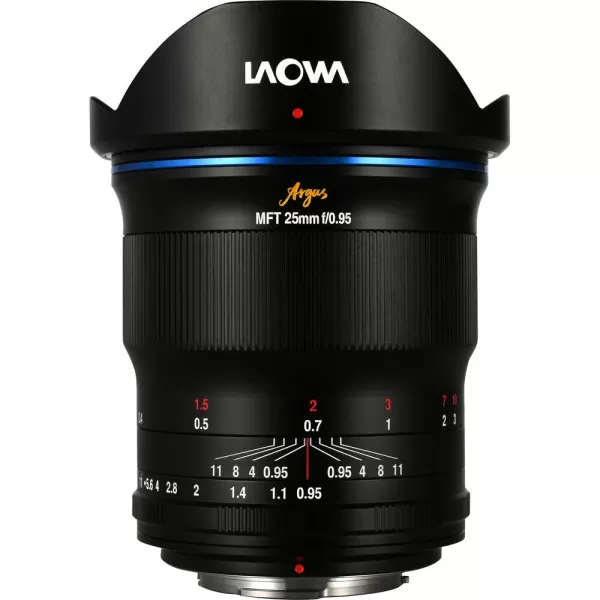
Laowa Argus 25mm f/0.95 MFT APO Objectif photo / vidéo focale fixe 25mm F/0.95 (Micro 4/3 | MF)
Optiques photo
,
Objectif photo monture 4/3 + MFT
499,00
€
Le prix initial était : 499,00€.
388,00
€
Le prix actuel est : 388,00€.
-20%
Aperçu rapide
Ajouter au panier
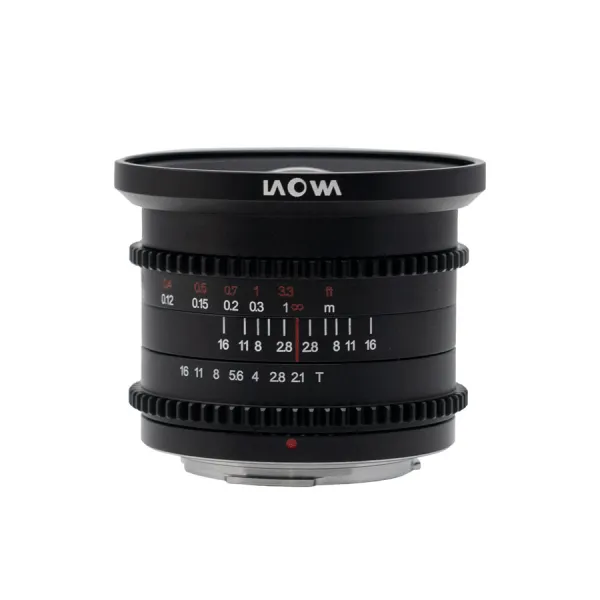
Laowa 6mm T2.1 Zero-D MFT Cine
Optiques photo
,
Objectif photo monture 4/3 + MFT
949,00
€
Le prix initial était : 949,00€.
755,00
€
Le prix actuel est : 755,00€.
-19%
Aperçu rapide
Ajouter au panier
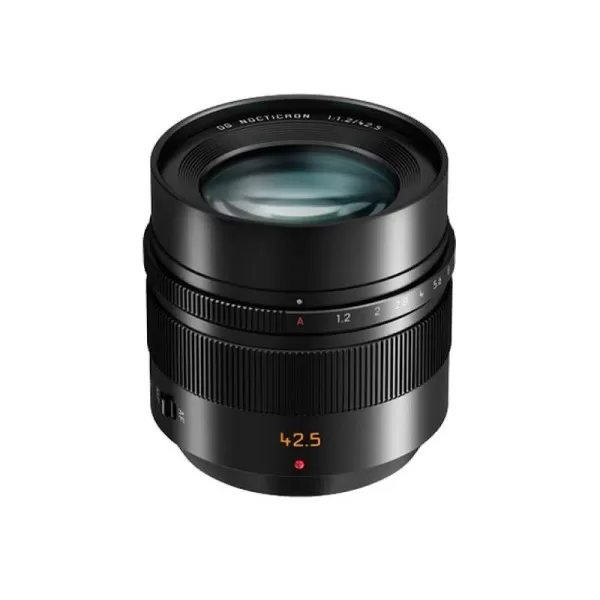
Panasonic H-NS043 – Leica DG Nocticron 42.5mm f/1.2 ASPH Power O.I.S. Objectif focale fixe standard 42.5mm – f1.2 / MFT
Optiques photo
,
Objectif photo monture 4/3 + MFT
1.599,60
€
Le prix initial était : 1.599,60€.
1.288,50
€
Le prix actuel est : 1.288,50€.
-24%
Aperçu rapide
Ajouter au panier
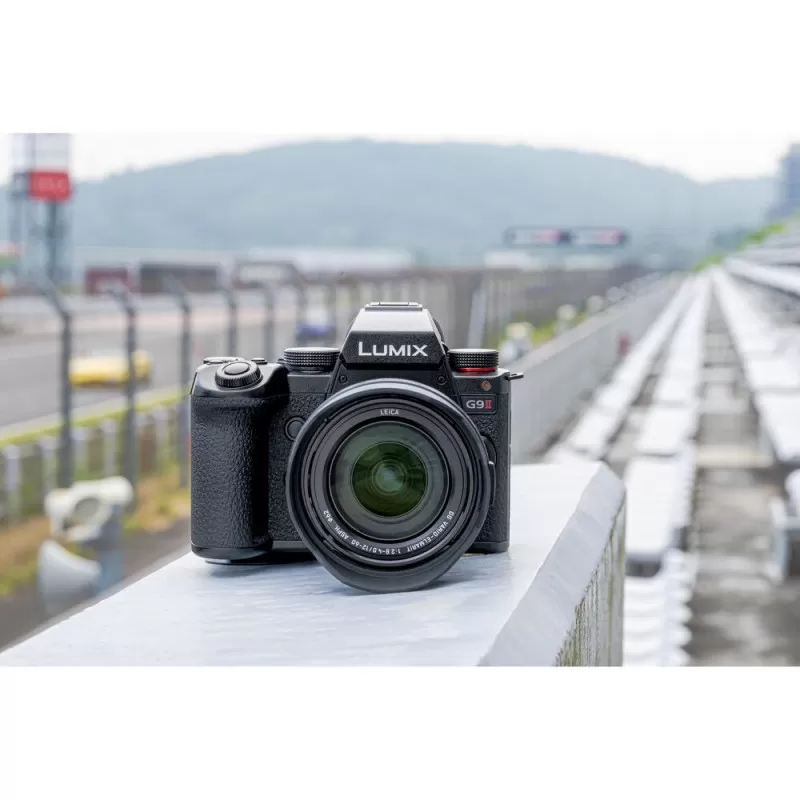
Panasonic Lumix G9 II + 12-60mm f/3.5-5.6 ASPH Appareil photo hybride 5.7K – Capteur MOS 25MP – Venus Engine avec objectif 12-60mm F3.5-5.6
Optiques photo
,
Objectif photo monture 4/3 + MFT
2.098,99
€
Le prix initial était : 2.098,99€.
1.589,99
€
Le prix actuel est : 1.589,99€.
-17%
Aperçu rapide
Ajouter au panier
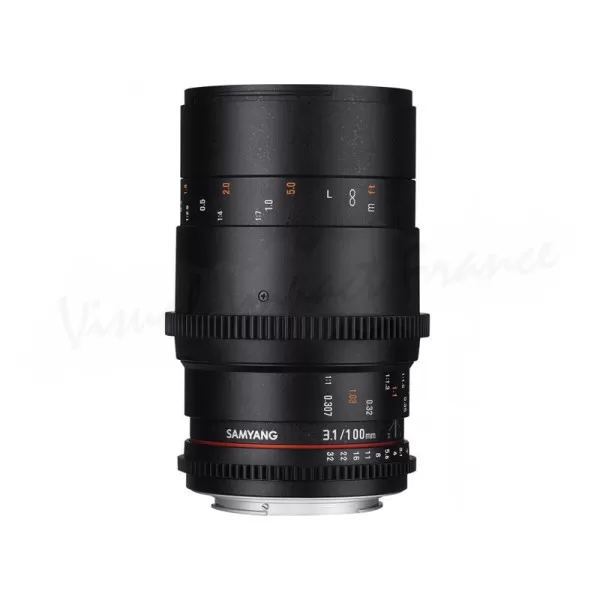
Samyang 100mm T3.1 VDSLR ED UMC MACRO Objectif photo / vidéo focale fixe 100mm T3.1 (Full Frame | MF)
Optiques photo
,
Objectif photo monture 4/3 + MFT
523,20
€
Le prix initial était : 523,20€.
436,00
€
Le prix actuel est : 436,00€.
-92%
Aperçu rapide
Ajouter au panier
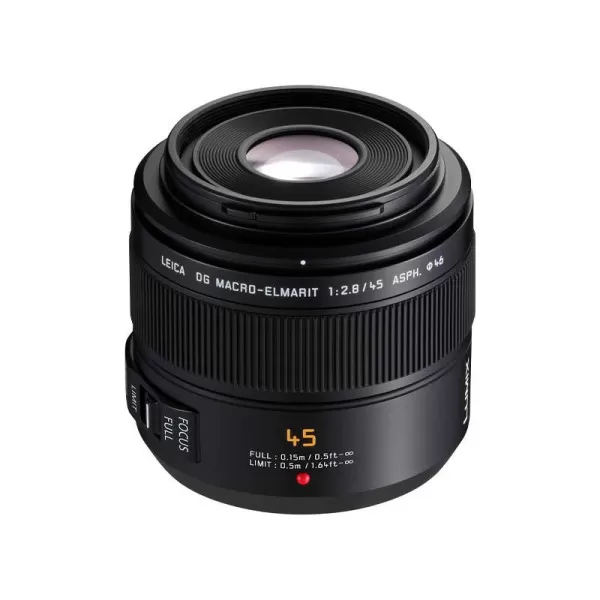
Panasonic H-ES045 – Leica DG Macro-Elmarit 45mm f/2.8 ASPH. Mega O.I.S. Objectif focale fixe macro stabilisé 45mm – f2.8 / Micro 4/3
Optiques photo
,
Objectif photo monture 4/3 + MFT
765,60
€
Le prix initial était : 765,60€.
63,50
€
Le prix actuel est : 63,50€.
-25%
Aperçu rapide
Ajouter au panier
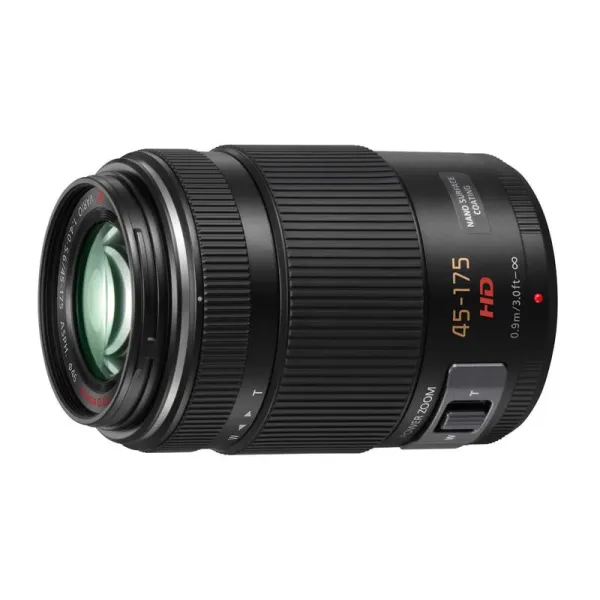
Panasonic H-PS45175 – Lumix G X Vario PZ 45-175mm f/4.0-5.6 ASPH. Power O.I.S Objectif zoom télé motorisé 45-175mm – f4.0-5.6 / Micro 4/3
Optiques photo
,
Objectif photo monture 4/3 + MFT
479,99
€
Le prix initial était : 479,99€.
359,99
€
Le prix actuel est : 359,99€.
-19%
Aperçu rapide
Ajouter au panier
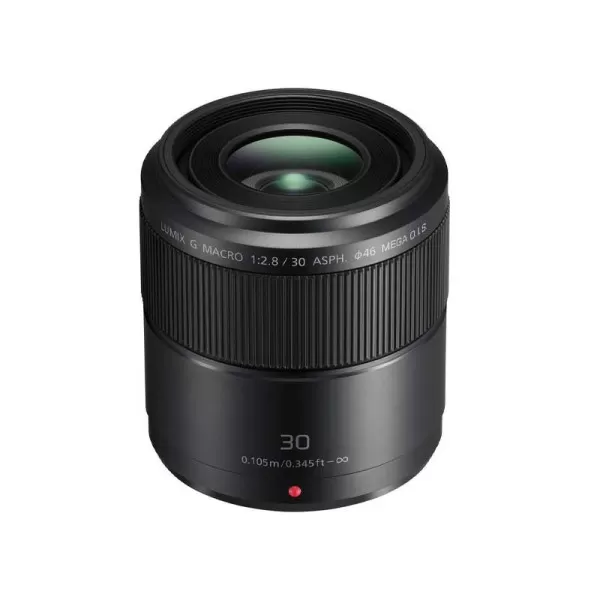
Panasonic H-HS030 – Lumix G 30mm f/2.8 ASPH O.I.S. Objectif focale fixe macro stabilisé 30mm – f2.8 / Micro 4/3
Optiques photo
,
Objectif photo monture 4/3 + MFT
322,80
€
Le prix initial était : 322,80€.
260,00
€
Le prix actuel est : 260,00€.
-25%
Aperçu rapide
Ajouter au panier
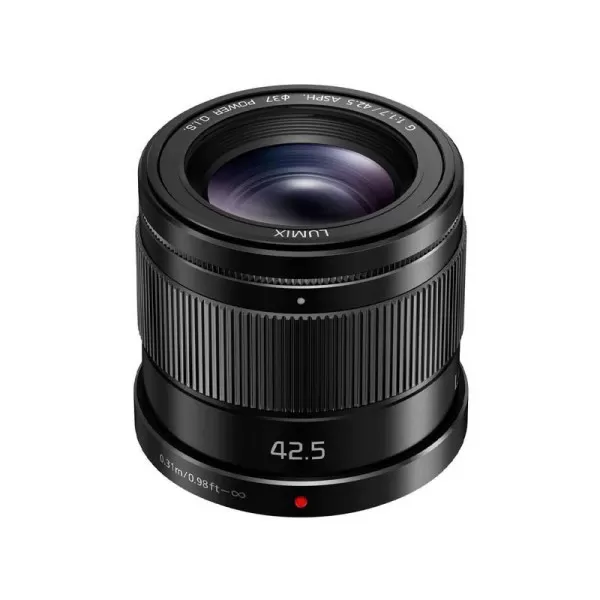
Panasonic H-HS043 – Lumix G 42.5mm f/1.7 ASPH. Power O.I.S. Objectif focale fixe stabilisé 42.5mm – f1.7 / Micro 4/3
Optiques photo
,
Objectif photo monture 4/3 + MFT
399,98
€
Le prix initial était : 399,98€.
300,00
€
Le prix actuel est : 300,00€.
-17%
Aperçu rapide
Ajouter au panier
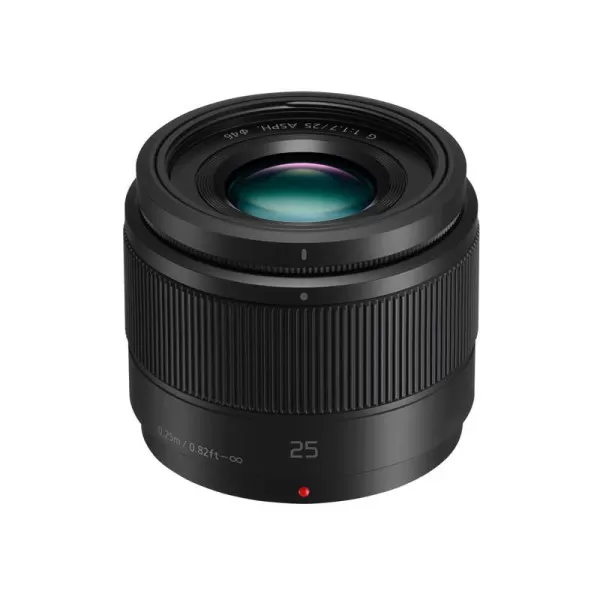
Panasonic H-H025 – Lumix G 25mm f/1.7 ASPH. Objectif focale fixe 25mm – f1.7 / Micro 4/3
Optiques photo
,
Objectif photo monture 4/3 + MFT
199,99
€
Le prix initial était : 199,99€.
166,66
€
Le prix actuel est : 166,66€.
-21%
Aperçu rapide
Ajouter au panier
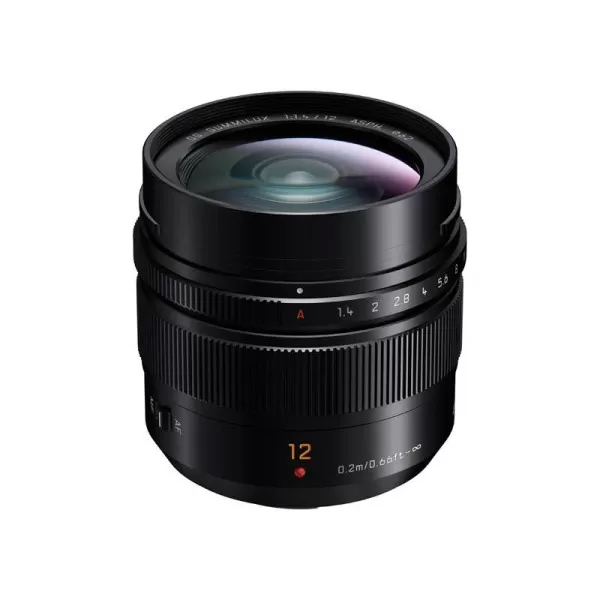
Panasonic H-X012 – Leica DG Summilux 12mm f/1.4 ASPH Objectif focale fixe 12 mm – f1.4 / Micro 4/3
Optiques photo
,
Objectif photo monture 4/3 + MFT
1.233,60
€
Le prix initial était : 1.233,60€.
975,88
€
Le prix actuel est : 975,88€.
-38%
Aperçu rapide
Ajouter au panier
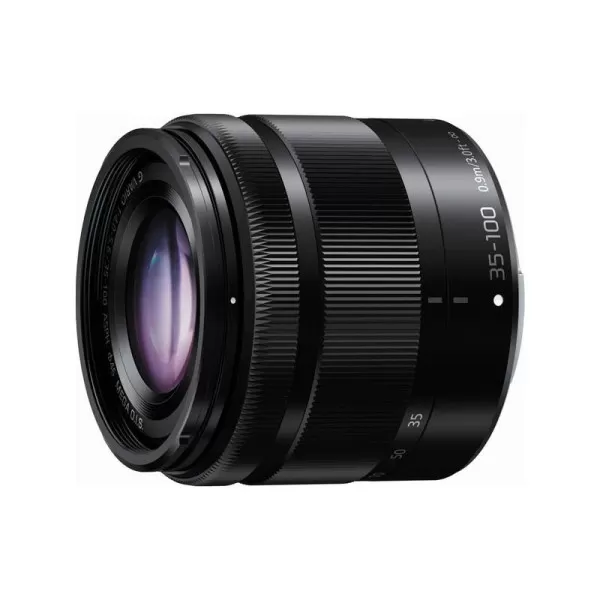
Panasonic H-FS35100 – Lumix G Vario 35-100mm f/4.0-5.6 ASPH. Mega O.I.S. Objectif zoom télé stabilisé 35-100mm – f4.0-5.6 / Micro 4/3
Optiques photo
,
Objectif photo monture 4/3 + MFT
349,99
€
Le prix initial était : 349,99€.
215,99
€
Le prix actuel est : 215,99€.
-28%
Aperçu rapide
Ajouter au panier
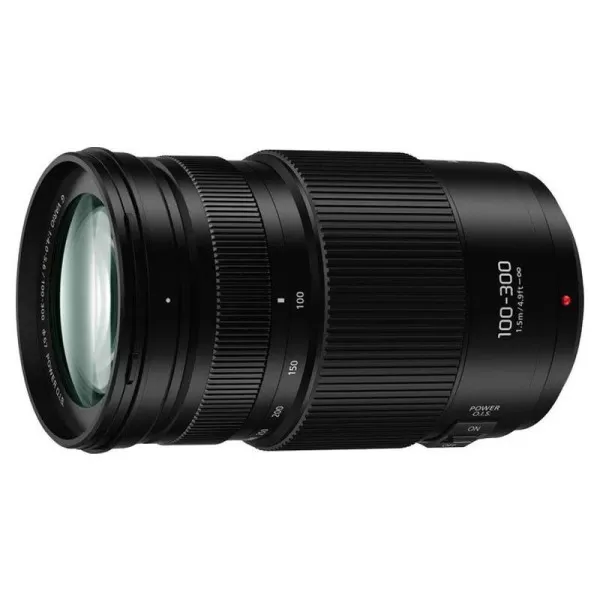
Panasonic H-FSA100300 – 100-300mm f/4.0-5.6 ASPH Power O.I.S. Objectif zoom télé stabilisé 100-300mm – f4.0-5.6 / Micro 4/3
Optiques photo
,
Objectif photo monture 4/3 + MFT
650,00
€
Le prix initial était : 650,00€.
465,00
€
Le prix actuel est : 465,00€.
-21%
Aperçu rapide
Ajouter au panier
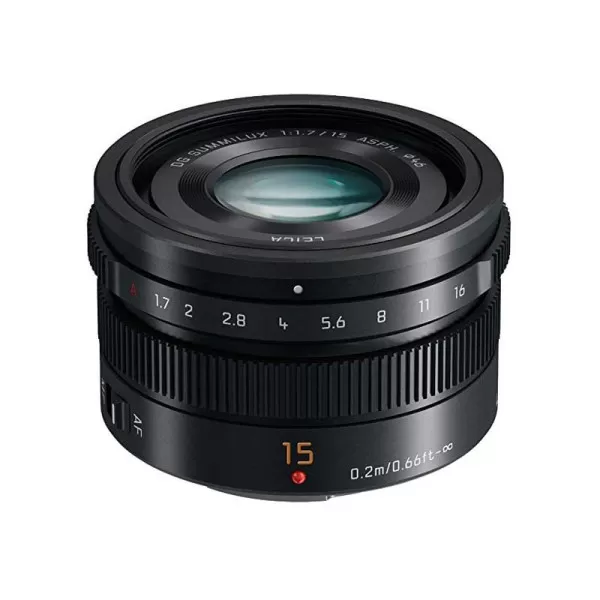
Panasonic H-X015 – Leica DG Summilux 15mm f/1.7 ASPH Objectif focale fixe grand angle 15mm – f1.7 / MFT
Optiques photo
,
Objectif photo monture 4/3 + MFT
599,99
€
Le prix initial était : 599,99€.
475,00
€
Le prix actuel est : 475,00€.
-40%
Aperçu rapide
Ajouter au panier
Panasonic H-H020A – Lumix G 20mm f/1.7 II ASPH Objectif focale fixe grand angle 20mm – f1.7 / MFT
Optiques photo
,
Objectif photo monture 4/3 + MFT
349,99
€
Le prix initial était : 349,99€.
209,99
€
Le prix actuel est : 209,99€.
-10%
Aperçu rapide
Ajouter au panier
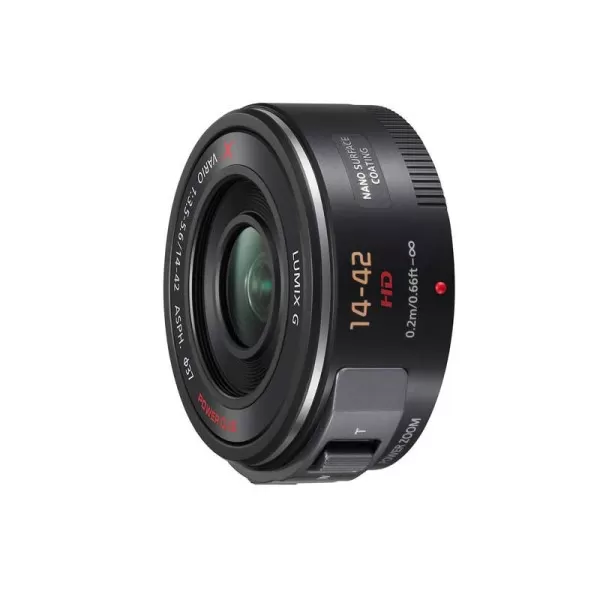
Panasonic H-PS14042 – Lumix G X Vario X PZ 14-42mm f/3.5-5.6 ASPH. Power O.I.S Objectif zoom standard motorisé 14-42mm – f3.5-5.6 / Micro 4/3
Optiques photo
,
Objectif photo monture 4/3 + MFT
355,22
€
Le prix initial était : 355,22€.
318,95
€
Le prix actuel est : 318,95€.
Search
Menu
Categories
Acessoires Photo et vidéo
Appareil photo
caméra Studio
Caméscope Video
Caméra embarquée / ActionCam
Drones et Accessoires drones
Optiques photo
Optiques vidéo / cine – Prise de vue aérienne – Caméra action
Réalité virtuelle 360°
Régie, Post Production \& Diffusion
Nos Catégories
Back
Appareil photo
Caméscope Video
Caméra embarquée / ActionCam
caméra Studio
Drones et Accessoires drones
Optiques photo
Optiques vidéo / cine – Prise de vue aérienne – Caméra action
Réalité virtuelle 360°
Accueil
Qui sommes-nous
Contact
Faq
Panier
Fermer
Menu
Filters
0
items
Cart
My account